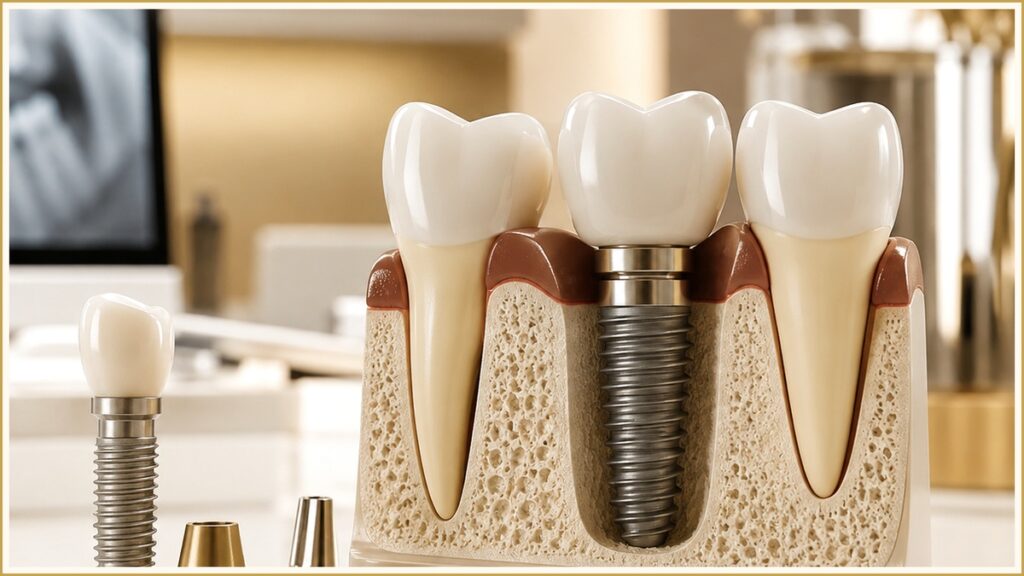
A toothache is not always a minor problem. Pain or sensitivity may develop when the soft tissue inside a tooth, known as the dental pulp, becomes inflamed or infected. Root canal treatment is designed to remove the affected tissue, clean and seal the inside of the tooth, and help preserve the natural tooth.
Only a dental examination can confirm whether root canal treatment is necessary. However, the following warning signs should not be ignored.
Sharp, throbbing, or persistent pain when you bite down may be linked to deep decay, inflammation, infection, or a crack in the tooth. Pain that continues or becomes stronger should be assessed by a dentist.
Brief sensitivity can happen for several reasons. However, discomfort that continues after the hot or cold food or drink has been removed may indicate irritation or damage inside the tooth.
Localised swelling, tenderness, or a feeling of pressure near one tooth may be associated with inflammation or infection. Swelling can be mild at first and may gradually become more noticeable.
A small recurring bump near a painful tooth can sometimes be a drainage point from an infection around the root. Even if it temporarily disappears, the underlying cause may still require treatment.
A crack or fracture may allow bacteria to enter the inner layers of the tooth. Some cracks cause immediate pain, while others remain unnoticed until the pulp becomes irritated or infected.
When decay reaches the pulp, a regular filling may no longer be enough. Early diagnosis can help determine whether the tooth can be restored with root canal treatment and a suitable final restoration.
A tooth that becomes noticeably darker after injury or without an obvious reason may have experienced internal damage. Colour change alone does not confirm the diagnosis, but it should be examined.
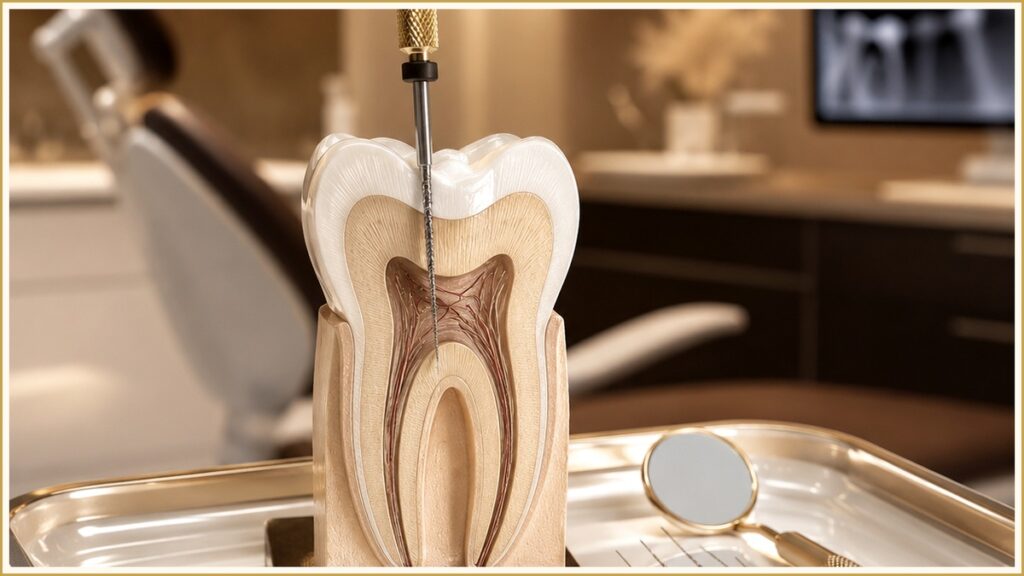
During treatment, the affected pulp is carefully removed. The canals are cleaned, disinfected, shaped, filled, and sealed. Depending on how much tooth structure remains, a crown or another restoration may later be recommended to protect the tooth.
Local anaesthesia is used to support patient comfort. Mild tenderness may occur for a short time after treatment, especially when the tooth was painful or infected beforehand.
Delaying care may allow inflammation or infection to progress, which can increase pain and reduce the chance of preserving the tooth. Persistent pain, swelling, or sensitivity should therefore be evaluated rather than repeatedly managed with temporary pain relief.
Concerned about tooth pain or sensitivity? Contact Dr. Fahmida Akter at Dental Square for a professional dental evaluation.
Call / WhatsApp: 01683305821
Consultation Hours: Saturday–Thursday, 5:00 PM–9:00 PM
Clinic: Dental Square, 49 Modhumita Road, Ward 56, Tongi, Gazipur City.
This article is intended for general education and does not replace an individual dental examination, diagnosis, or treatment plan.