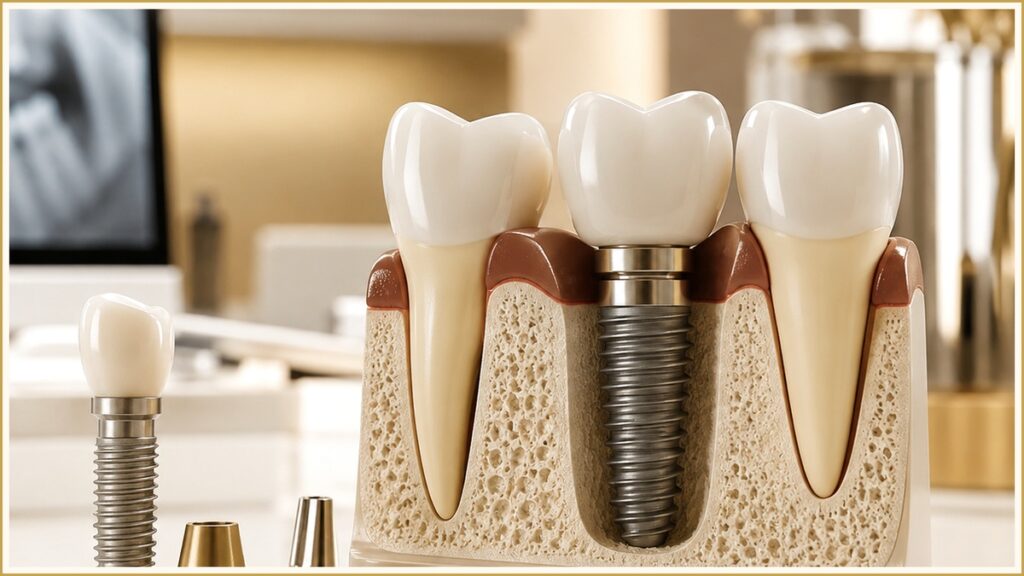
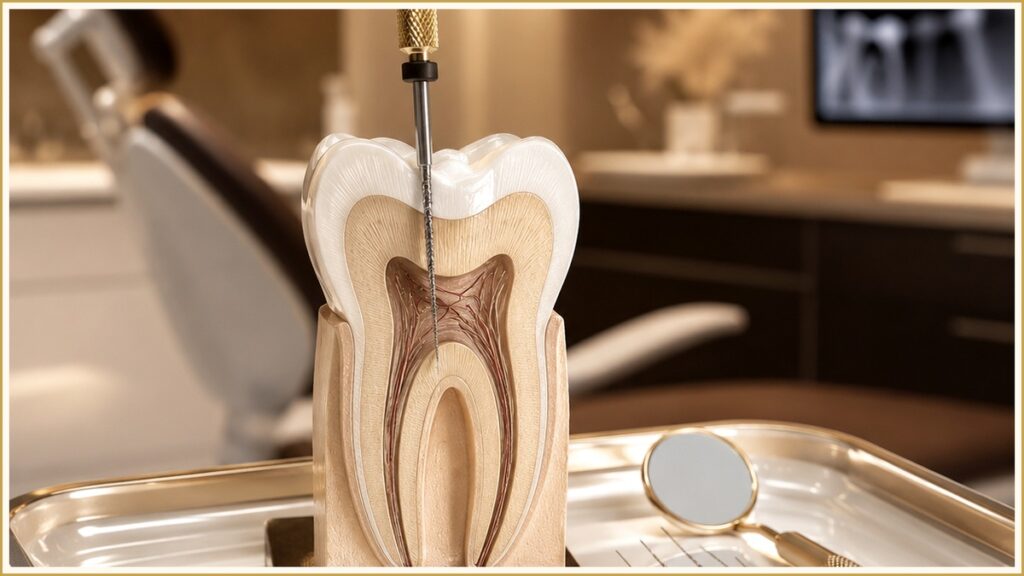
Brushing twice a day and cleaning between the teeth are essential parts of oral care. Even with a good routine, plaque can remain in difficult areas and gradually harden into tartar, also called calculus. Once tartar forms, ordinary brushing cannot remove it effectively.
Professional scaling and polishing help remove deposits and surface stains while giving the dentist an opportunity to assess the condition of your teeth and gums.
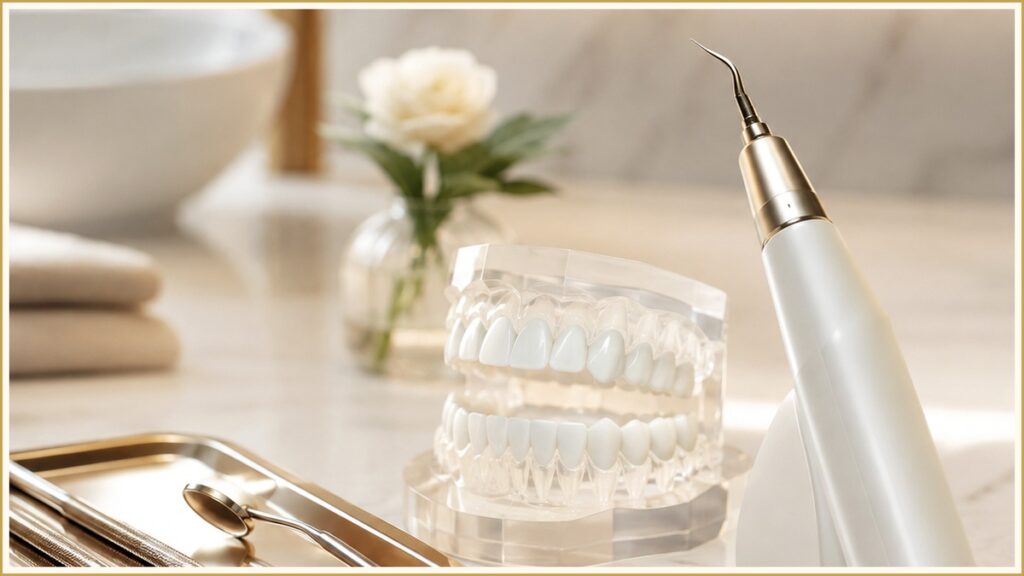
Scaling is the professional removal of plaque, tartar, and certain surface stains from the teeth. The dentist may use ultrasonic instruments, hand instruments, or a combination of both, depending on the amount and location of the deposits.
If gum disease has created deeper pockets around the teeth, a more thorough procedure such as scaling and root planing may be recommended. This is different from a routine cleaning and is planned according to the patient’s gum condition.
Polishing is performed after deposits have been removed. It helps smooth the tooth surfaces and may reduce some external staining caused by tea, coffee, tobacco, or certain foods. Polishing does not replace brushing and interdental cleaning, but it can leave the teeth feeling smoother and cleaner.
When performed appropriately by a dental professional, scaling is intended to remove deposits from the teeth. After heavy tartar is removed, the teeth may temporarily feel different or slightly sensitive because the deposits are no longer covering the tooth surfaces. Your dentist can explain what to expect based on your individual condition.
There is no single schedule that is suitable for every patient. The recommended interval depends on tartar build-up, gum health, oral-hygiene habits, smoking, medical factors, and any history of gum disease. A dentist should recommend the appropriate schedule after examining your mouth.
For professional scaling, polishing, and personalised dental care, contact Dr. Fahmida Akter at Dental Square.
Call / WhatsApp: 01683305821
Consultation Hours: Saturday–Thursday, 5:00 PM–9:00 PM
Clinic: Dental Square, 49 Modhumita Road, Ward 56, Tongi, Gazipur City
This article is intended for general education. A dental examination is necessary before any treatment recommendation is made.